
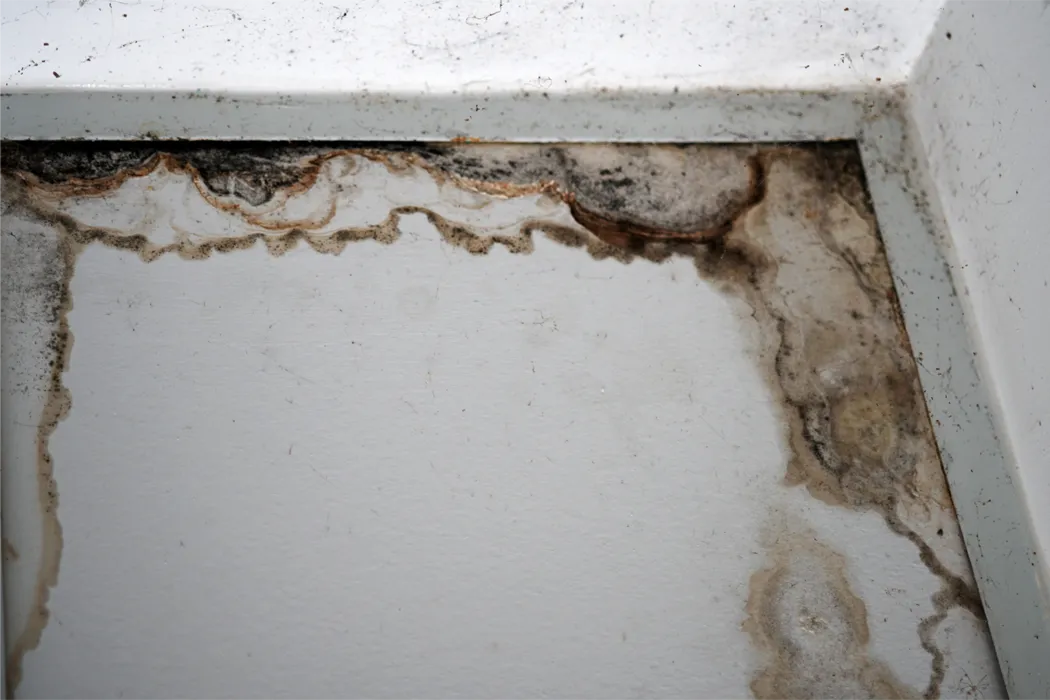
In Tennessee, homeowners insurance policies typically cover sudden and accidental water damage originating from within the home, such as damage caused by burst pipes or unexpected appliance malfunctions. However, these policies generally do not cover water damage resulting from external sources like floods; such coverage requires a separate flood insurance policy. Additionally, damage due to gradual issues, such as ongoing leaks or seepage, is often excluded, as insurers expect homeowners to perform regular maintenance to prevent such problems. It’s crucial for homeowners to thoroughly review their insurance policies to understand specific coverages, exclusions, and any additional endorsements that may be necessary to fully protect their property against various types of water damage
Insurance companies often deny payment for repairing the source of the water damage (like a broken pipe), but must still cover the resulting damage to floors, walls, or personal property. Attorneys can help clarify these distinctions and ensure homeowners are compensated for all covered consequences of the water intrusion.
Even if mold results from a covered water event, many Tennessee insurance policies cap mold remediation costs or limit the scope of cleanup. We help homeowners fight for full remediation where policy language is unclear or overly restrictive.
Under Tennessee law, if an insurance policy’s language about water damage is ambiguous, courts will typically interpret the language in favor of the homeowner. This legal principle is a powerful tool when insurers rely on vague terms to deny or reduce coverage.

We carefully review the insurance policy to identify what types of water damage are covered, spot hidden exclusions, and interpret vague or ambiguous terms in favor of the homeowner—ensuring they claim every dollar they’re entitled to

Insurers frequently deny water damage claims by blaming the homeowner for poor maintenance or claiming the damage was not sudden. We gather expert reports and evidence to prove the damage was covered and not the result of neglect.

We hold insurers accountable for paying not just for surface repairs, but also for water that’s seeped into subfloors, drywall, or insulation—often overlooked or minimized by adjusters. We also advocate for necessary mold remediation and code upgrades.

If an insurer unreasonably delays or denies a valid water damage claim, we can take legal action under Tennessee’s bad faith laws—seeking the full value of the claim plus potential punitive damages for unfair treatment.